I See a Voice: A Surrogate Mule

A weekly series that explores a featured theme by pairing classic quotations with urgent images. What recent news items inspired these textual/visual sets? Leave your guesses in the comments, and check back next Wednesday for the answers.

“Aesthetic pleasure in the beautiful consists, to a large extent, in the fact that, when we enter the state of pure contemplation, we are raised for the moment above all willing, above all desires and cares; we are, so to speak, rid of ourselves.”

—Arthur Schopenhauer

“Shame is a soul eating emotion.”

—Carl Jung

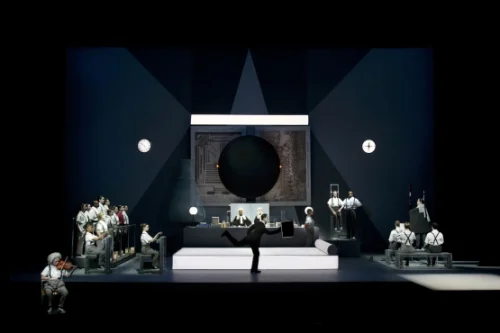
“Don’t think of yourself as a surrogate mule, think of yourself as an entrepreneur of the physical.”

―George Saunders (from CivilWarLand in Bad Decline)

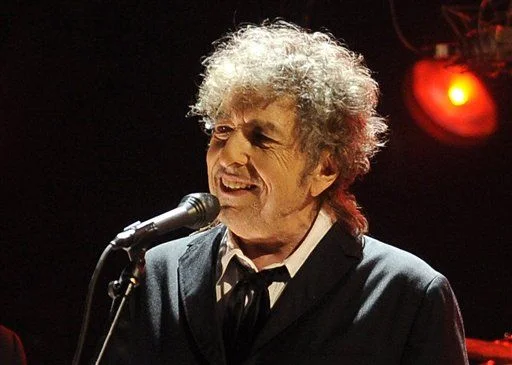
“Whereof one cannot speak, thereof one must be silent.”

—Ludwig Wittgenstein

"There are still subjects that are in the Realm of Pain Beyond Uncomebackability."

—Bill Peters (from Maverick Jetpants in the City of Quality)

Do you see the connections? Write your guesses in the comments — and feel free to leave your own "uncomebackable" quotes — and check in next Wednesday to find the headlines that inspired these pairings.

Images: TimeOut New York, Newser, NYTimes, ABC News, Slate

Answers to last week's installment:

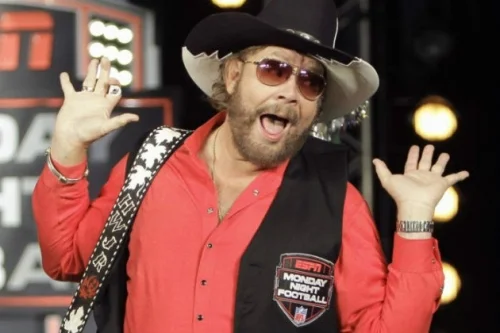
  1. "Hank Williams Jr. lashes out at Obama: ‘We’ve got a Muslim for a president who hates cowboys’" (Yahoo News)
  2. "Iran: If Israel Attacks, We'll Retaliate ... Against US" (Newser)
  3. "I HAD A FACE TATTOO FOR A WEEK" (Vice)
  4. "Crime Writer RJ Ellory Caught Faking Amazon Reviews" ABC News)
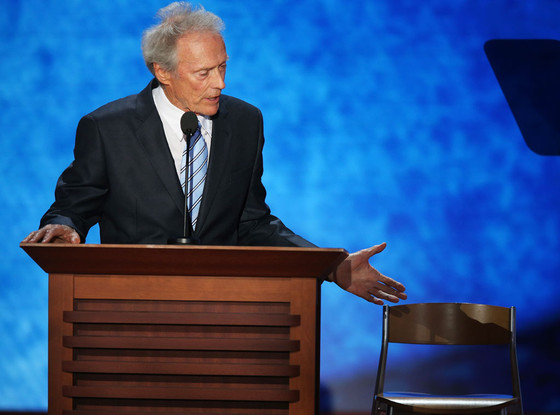
  5. "Clint Eastwood's GOP Speech: President Obama, Celebs React to Star's Chair-Talking Ad-Libbing" (eonline)
Read More
A Soulful Soundtrack to Michael Chabon's "Telegraph Avenue"

I've always surrounded myself with music, beginning with my parents' vinyl collection. Spilling from their tattered jackets, these albums kicked off my life soundtrack, prefiguring my omnipresent iPod and my NYC record-store route. This same LP-love forms the soul of Telegraph Avenue, Michael Chabon's hot-blooded and utterly human novel, which drops today.

In the Bay Area sweet spot bordering Berkeley and Oakland, Chabon gives dap to card-collecting culture, comic books, and kung fu. But it's music that reigns supreme, underlining Chabon's prose, so I've devised a playlist inspired by Telegraph Avenue's tracks and my own personal experience in reading it. Tune in:

Jimmy Smith “Root Down (And Get It)” (Root Down Live, Verve Records, 1972)

"Good heart is eighty-five percent of everything in life." —Cochise Jones

At Telegraph Avenue's core is Brokeland Records, co-owned by childhood friends Archy (cool-headed brother) and Nat (kvetching hothead). Their spouses Gwen (very pregnant, very independent) and Aviva are the Berkeley Birth Partners, midwifing for a mostly white, well-to-do clientele. All good, right?

Miles Davis “Thinkin' One Thing and Doin' Another” (On the Corner, Columbia, 1972)

"I am building a monastery, if you like, for the practice of vinyl kung fu. And I am asking you to come be my abbot." —Gibson Goode

Then the stylus skips. Archy's got a fuckup or two in him yet, like unacknowledged teen son Titus reentering the picture and drawing the infatuation of Nat and Aviva's film-freak son, Julius (call him “Julie”). Add Archy's dad Luther and Jet-espoused entrepreneur Gibson Goode, whose planned Dogpile Megastore (think Tower Records on soul-jazz steroids) spells Brokeland's demise, and shit gets real.

Carole King “It's Too Late” (Tapestry, Ode Records, 1971)

"Swear. On the soul of your mother, who raised you to be a better man than that." —Gwen Shanks

Like in his pulpy whirlwind The Amazing Adventures of Kavalier & Clay, Chabon's multisensory prose plunges us into the souls of his players. Heady aromas from an Ethiopian restaurant mingle with the intoxication of a man's infidelity. Lingos befitting hotrods and honeys blend in degrees that would make Quentin Tarantino blush. Chabon knows when to pare it down, too, turning an affectionate gesture between teenaged boys into something deeper: "They hooked hands at the thumbs and bumped chests. Titus wrapped an arm around Julie. Julie felt protected in the lingering embrace, though he knew that when Titus let go of him, he was going to feel nothing but abandoned."

The Winstons “Amen, Brother” (Color Him Father, Metromedia, 1969)

"Do what you got to do, and stay fly." —Valletta Moore

Soul, in at least two senses of the word, figures into the book's most scene-stealing, goosebump-inducing cameo. While Archy pinch-hits on bass at a fundraiser, a certain former Senator from Illinois approaches Gwen, reflecting: “The lucky ones are the people like your husband there. The ones who find work that means something to them. That they can really put their heart into, however foolish it might look to other people.”

DJ Shadow “Midnight in a Perfect World” (Endtroducing....., Mo' Wax, 1996)
Crate-digging memories and dreams in my own Brokeland. [—author]

HarperCollins unveils Telegraph Avenue today with an enhanced e-book edition, featuring Chabon's own playlist, audio clips narrated by Treme'sClarke Peters (I internalized his voice while reading Archy's part), and more. Plus, for you lucky locals: Oakland's Diesel Books has become a “Brokeland Records” pop-up store through September 14, replete with requisite jazz LPs for sale. Time for that overdue trip out West.

Image: DJ Shadow Endtroducing..... via Discogs

Read More
Beyond Nice & Snarky: What Criticism Could Do on the Internet

While I find it very exciting (and positive!) that the naughty vs. nice criticism debate has so thoroughly made the rounds, I’m starting to wonder if people have forgotten that the internet isn’t just about commenting and connecting; it’s also about doing things differently. To me, the fuss isn’t really about being too nice (frivolous) or mean (unproductive). The real issue is that people demand better writing from their criticism: criticism that demonstrates an honest, thoughtful engagement with the book at hand regardless of attitude or posture.

Let me be very clear: personally, I think meanness and cruelty can be exceptionally funny. But I have my suspicions that in this day and age, in the panicked pleas for attention, attitude often usurps critical engagement because that approach gets hits. My issue with the much despised William Giraldi review of Alix Ohlin is that I learned more about William Giraldi — how important it is for him to show us how smart he is — than the books he was reviewing. Book reviewers (traditional ones, anyway) can totally go ahead and be scathing and super mean, but they should be tearing the book apart so we know what’s wrong with the book, not what’s right and self-righteous about the reviewer.

But! We don’t have to live like this. This is the internet. We don’t have to play within the rules of naughty or nice. The Times Literary Supplement,Harper’s, and sometimes the New Yorker still contain very good, serious reviews, but we can also help foster a literary environment that is more interested in exploding the conversation than ending a dialogue at "good" or "bad." Take any shitty book and analyze the decision to write it in the first- or third-person — and then discuss how this may mirror or contradict the "modern experience" of the grocery store, text messaging, OkCupid. How does the author grapple with new media, and how do those choices affect our sense of authenticity? Throw the book into the mortar of anthropological linguistic analysis of pronoun usage. Identify the author’s tics and psychoanalyze the crap out of the poor person who made the mistake of showing their book to you.

There are countless games to play beyond Billy-said-he-likes-it-but-Suzie-said-it-stinks. The MillionsFlavorwire, and BrainPickings have shown that there is serious fun to be had plowing through literature, whether it's top ten lists, favorite quotes, or essays on craft or writer's conferences, and there's no reason we can't invoke that same sense of seriously engaged, enthusiastic play when it comes to reviewing. What I want from criticism is thoughtful engagement with books, the ideas they spread, and the processes by which literary effects come about. While traditional book reviews can and will still accomplish this, there is ample space for criticism that is concerned less with assessment and more with exploration — with enlivening the ways we talk and think about books.

image: doanie.wordpress.com

Read More

Sometimes in life, you have to give up the one you love for the sake of a Pulitzer.

But would you do the same for a PEN Literary Award?

Too bad such a decision can't be wrapped up with a happy Pixar ending.

Perhaps that's why so many people seem to be disowning their work nowadays.

On the extreme end, you could just give up writing all together and join the Amish.

But first, you'll want to pawn all those priceless first editions you've been hoarding.

And if you happen to have a pair of those new-fangled prism reading glasses, you might want to keep them.

After all, you know how these twentysomethings love nostalgia of not-so-bygone ephemera.

You know what? Just suck it up and act your own age, or at the very least, your pop culture age.

Image source

Read More

Reviews of Zadie Smith's fourth novel, NW, have been, to put it kindly, mixed. Much of the criticism seems to stem from Smith's “indecision” throughout the novel: it's divided into four very different sections, all of which suck the reader in before tearing them away. As someone who rather liked the book, I found that each section read best in a specific place. Likewise, the wrong reading location had profound effects on my enjoyment of the book, and I had to stake out a better reading territory. Perhaps if Michiko Kakutani had taken the same guess-and-check approach, she wouldn't have called NW "a much smaller, more meager book than White Teeth.”

Below, I share some of the best places to read each section (no spoilers, I promise). After all, if environment affects how we learn to read, why shouldn’t it also affect how we read?

Section 1: Visitation
Ideal Reading Location: Home, on a nice day
The novel opens in the quiet, beautiful apartment of Leah Halwell, one of the book's duller characters. Excitement happens once in a while, but for the most part, you may find yourself getting up for another drink or flipping open your laptop to scan your newsfeed once in a while. Any time I tried to read the slow, thoughtful pacing of this section on the subway, I was distracted by my seatmate's gum chewing or the conductor's garbled announcements. A casual, serene location, much like Leah's apartment, was the best place to acclimate myself to Smith's intricate, cherry-picked prose.

Section 2: Guest
IRL: The subway
The action starts chugging along with the introduction of Felix, a drug-dealer-cum-mechanic who's ready to settle down. Reading this section in a cramped subway car on my way to work proved to be the ideal distraction during my commute. Smith seems to hit her stride here, throwing in characters that maintain a fairytale shimmer despite their brutally realistic settings. It's a harsh awakening from the first section of the book, and it goes hand-in-hand with shrieking brakes and whooshing doors.

Section 3: Host
IRL: Lunch
Reading over lunch is always a struggle: turn the page, take a bite, read a paragraph while chewing, don't spill, repeat. It helps that this section is chopped into manageable, diary-like entries. Again, this section is a big change from the last one, and the biggest departure from what I consider the tried and true Zadie Smith voice. She even went the Tao Lin route and threw in some gchat transcripts, which for many, will take some time to digest.

Section 4: Crossing/Visitation
IRL: Park bench
After a somewhat bizarre revelation that occurs in the previous section, you'll need to sit down and focus. Your neighborhood park may help you feel closer to the community Smith works so hard to examine in the novel. Grab a seat away from the dog park and playground; no time for distractions now. NW may be a chore to get through, but in the end, the characters keep drawing you back. If you've read any of Smith's other books, you know she likes to give her characters their comeuppances. The book's finale is pretty messy, but after all this time you've spent with it, you'll be eager to see what becomes of everyone — of these vivid characters who have become your neighbors, lunchmates, and groggy fellow passengers.

Image: ew.com

Read More
I See a Voice: Vengeance is Mine

A weekly series that explores a featured theme by pairing classic quotations with urgent images. What recent news items inspired these textual/visual sets? Leave your guesses in the comments, and check back next Wednesday for the answers.

“Confronted by evil, comedy feels no need to punish or correct. It answers with corrosive laughter.”

-Martin Amis

“Vengeance is mine; I will repay.”

-Romans 12:19

“All morons hate it when you call them a moron.”

-Salinger (from The Catcher in the Rye)

“That’s not writing, that’s typing.”

-Truman Capote

“Immediately, I’m scanning for anything that might be not just Murman-level Uncomebackable, but Pharaoh Uncomebackable, something so Pharaoh Uncomebackable that Necro will never leave his house again.”

-Bill Peters (from Maverick Jetpants in the City of Quality)

Do you see the connections? Write your guesses in the comments — and feel free to leave your own "uncomebackable" quotes — and check in next Wednesday to find the headlines that inspired these pairings.

Images: news.yahoo.com Newser, vice.com, abcnews.go.com, eonline

Answers to last week's installment:

  1. "11 Best Remixes of the Botched Ecce Homo Painting" (jest.com)
  2. "Man Who Shipped Himself in a Box to His Girlfriend Nearly Suffocates After Getting Lost in the Mail" (Gawker)
  3. "6 Memorable Letters from Neil Armstrong" (mental_floss)
  4. "A Pop Queen Flaunts Her Toned Maturity" (NYTimes)
  5. "Facebook New Campus | Frank Gehry" (arch20)
Read More
As I Lay Adapting

James Franco is directing As I Lay Dying. I'm not sure what to say. Granted, this is the guy who played Allen Ginsberg in Howl and Hart Crane in the biopic The Broken Tower. And he's taken the English-grad-student route, so he's probably got some idea of what he's getting himself into. It doesn't hurt that he’s already cast a bumper crop of Southern actors, including Danny McBrideTim Blake Nelson (aka Delmar from O Brother Where Art Thou), and Ahna O’Reilly from The Help.

But still. As I Lay Dying? Our own Mr. Fee just did a post on films adapted from difficult books, but Faulkner is a whole new level of unfilmability. Let's look at a few of Franco's gravest challenges.

First, an overview for those of us who didn't read it in high school: As I Lay Dying is the story of a deceased matriarch, Addie Bundren, and her family's journey from her deathbed to Jefferson County, where she asked to be buried. The genius is in the fifteen narrators who tell the tale, from Addie's oddly named children (Cash, Jewel, Dewey Dell, Darl, Vardaman) to a rogue's gallery of opinionated neighbors and countryfolk. One of the chapters is narrated by Addie herself; she declares from beyond the grave that “people to whom sin is just a matter of words, to them salvation is just words too.”

Faulkner actually worked as a screenwriter in Hollywood. It makes sense: his characters are that vivid, that real. So it should be sort of feasible.

But. But, but, but.

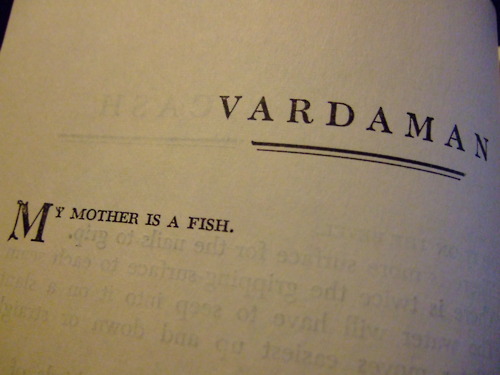
How could a film possibly do justice to this page, the most famous page in the entire book?

I’m serious. The rest of the page is blank. Film just can't withhold information like this. If we see Vardaman onscreen, a small boy sitting on a porch or eavesdropping or smelling the fish that we later learn is cooking nearby, then that thought, my mother is a fish, simply won’t carry the same weight. The audiobook has an exaggerated pause, and that’s as close as we can get.

That's not all. Right before that chapter, another one of Addie's sons has a numbered list explaining how and why he built his mother's coffin the way he did.

Pretty sure that's going to get adapted beyond all recognition.

James Franco was able to pull off Allen Ginsberg and Hart Crane because they were essentially biopics. But here, he's set himself the task of extracting the story from the book. And the story really isn't the point.

I can’t wait to hear James Franco’s brilliant cast toss around lines like “I gave Anse Dewey Dell to negative Jewel” and “I feel like a wet seed wild in the hot blind earth.” But if I go to see As I Lay Dying, I guess I'll be prepared to experience something completely different from what I read in English class. Good luck, Franco; you’re up against Faulkner now.

Image credits: photosmoviessongs.com; bigbowlofsoup.tumblr.com

Read More